Container Tracking: Boosting Supply Chain Visibility and Efficiency
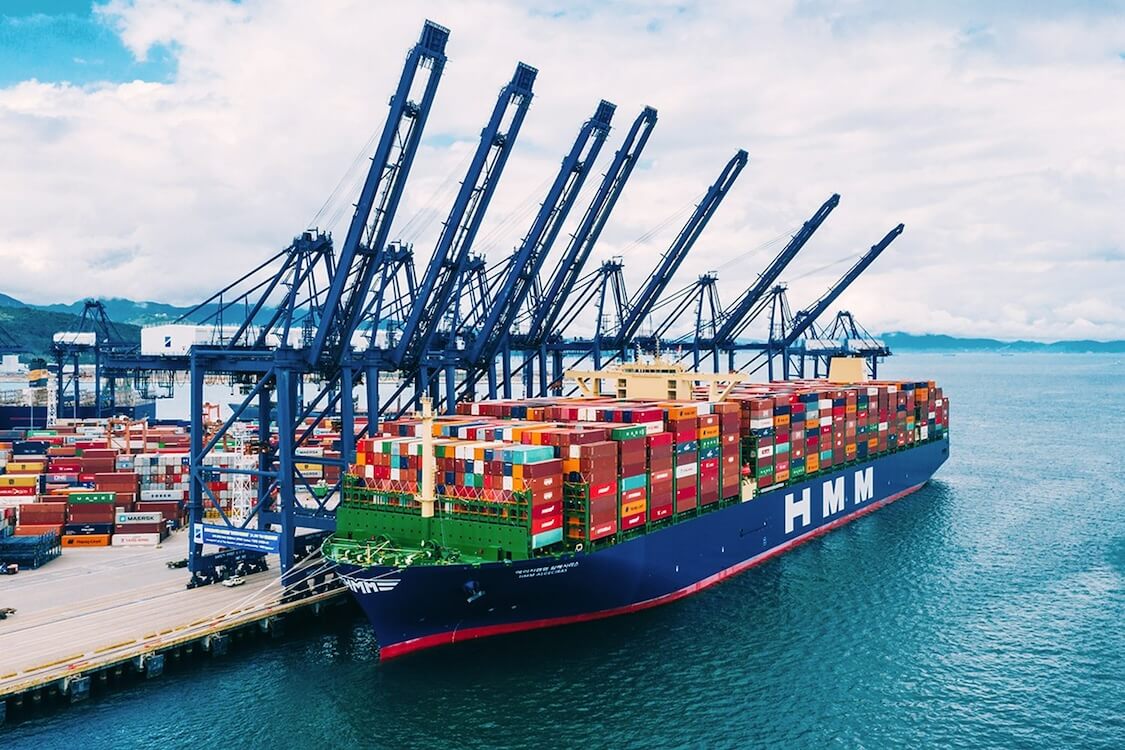
In today’s fast-paced global economy, container tracking has become an indispensable part of supply chain management. As international trade expands and logistics networks become more complex, the ability to accurately monitor and manage cargo movements is crucial for businesses seeking competitive advantage, cost savings, and customer satisfaction.
This comprehensive guide explores everything you need to know about container tracking — from its definition and importance to the latest technologies and best practices. Whether you’re a logistics manager, supply chain professional, or business owner, understanding container tracking can revolutionize your operations.
1. What Is Container Tracking?
Container tracking refers to the process of monitoring the real-time location, condition, and status of shipping containers throughout their journey across the supply chain. Using a combination of GPS, RFID, IoT devices, and data analytics, logistics providers and businesses can obtain precise information about where their containers are, their environmental conditions, and estimated delivery times.
Why is container tracking essential? Because it provides complete visibility, reduces uncertainties, and enables proactive decision-making, minimizing delays and costs.
2. Why Is Container Tracking Important?
Container tracking plays a pivotal role in modern logistics for several reasons:
- Enhanced Supply Chain Visibility: Real-time data allows stakeholders to track containers at every stage, from port to warehouse to final destination.
- Reduced Theft and Loss: Continuous monitoring helps prevent theft, damage, and loss of cargo.
- Improved Customer Satisfaction: Accurate ETA updates improve transparency with clients.
- Operational Efficiency: Proactive management reduces idle times, delays, and unnecessary expenses.
- Compliance and Documentation: Accurate tracking assists in meeting regulatory requirements and provides necessary documentation for customs clearance.
Questions to consider:
- How does container tracking improve supply chain resilience?
- What are the cost benefits of implementing a robust container tracking system?
- How can container tracking minimize delays in international shipping?
3. Types of Container Tracking Technologies
Various technologies underpin container tracking systems, each with its strengths and ideal use cases:
a. GPS (Global Positioning System)
- Provides real-time location data globally.
- Suitable for long-haul transportation and high-value cargo.
- Example: Tracking containers on trucks or ships across international waters.
b. RFID (Radio Frequency Identification)
- Uses electromagnetic fields to identify and track containers.
- Ideal for yard management and port operations.
- Passive RFID tags are cost-effective, while active RFID tags offer longer range.
c. IoT Sensors
- Attach to containers to monitor environmental conditions like temperature, humidity, and shocks.
- Essential for sensitive cargo such as pharmaceuticals or perishables.
- Enable predictive maintenance and damage prevention.
d. Barcode Scanning
- Used mainly for documentation and inventory control.
- Less effective for real-time tracking but useful for initial check-in/check-out processes.
e. Telematics and Satellite Communication
- Combine GPS with satellite data for remote and offshore tracking.
- Critical for containers on ships or in remote regions.
Choosing the right technology depends on:
- Cargo sensitivity
- Budget considerations
- Required tracking accuracy
- Operational environment
4. How Does Container Tracking Work?
Container tracking systems typically involve several steps:
Step 1: Tagging or Installing Tracking Devices
Containers are equipped with GPS devices, RFID tags, or IoT sensors at the point of origin.
Step 2: Data Collection
Tracking devices gather location, environmental, and status data continuously or at scheduled intervals.
Step 3: Data Transmission
Data is transmitted via cellular networks, satellite links, or local RFID readers to a centralized platform.
Step 4: Data Analysis and Visualization
The collected data is processed and displayed on user dashboards, enabling stakeholders to monitor containers in real time. 40 Feet Container Size
Step 5: Alerts and Notifications
Automated alerts notify users of delays, unauthorized access, or environmental deviations.
The backbone of container tracking is an integrated platform or software that consolidates data, offering insights for decision-making.
5. Benefits of Container Tracking for Businesses
Implementing an effective container tracking system can bring numerous advantages:
a. Increased Transparency
Real-time updates allow stakeholders to see exactly where their cargo is at any moment.
b. Cost Savings
Reducing delays, avoiding detention fees, and optimizing routes lower operational costs.
c. Improved Security
Continuous monitoring helps detect unauthorized access or theft, enabling quick responses.
d. Greater Operational Efficiency
Streamlined processes reduce manual labor, paperwork, and administrative errors.
e. Better Customer Service
Providing accurate delivery estimates enhances customer trust and satisfaction.
f. Regulatory Compliance
Tracking data simplifies documentation for customs and regulatory bodies.
6. Key Features to Look for in a Container Tracking System
When selecting a container tracking solution, consider the following features:
- Real-Time Location Tracking: Immediate visibility of container movements.
- Environmental Monitoring: Sensors for temperature, humidity, shock, and tilt.
- Geofencing: Alerts when containers enter or leave designated areas.
- Historical Data Analysis: Access to past movement data for reporting.
- Integration Capabilities: Compatibility with ERP, TMS, and other logistics platforms.
- User-Friendly Interface: Easy-to-navigate dashboards and mobile access.
- Security and Data Privacy: Robust encryption and access controls.
- Scalability: Support for expanding fleet or additional features.
7. Implementing Container Tracking Solutions: Best Practices
Successful deployment of container tracking systems involves strategic planning:
a. Define Clear Objectives
Identify what you aim to achieve—cost reduction, security, compliance, or customer satisfaction.
b. Assess Your Infrastructure
Ensure your existing logistics infrastructure can support new tracking devices and data integration.
c. Choose the Right Technology
Select devices and platforms that align with your cargo type, routes, and operational needs.
d. Train Your Team
Educate staff on device usage, data interpretation, and response protocols.
e. Pilot and Optimize
Start with a pilot program, gather feedback, and refine processes before full-scale deployment.
f. Maintain and Update
Regularly service devices and update software to ensure optimal performance.
8. Challenges in Container Tracking and How to Overcome Them
Despite its advantages, container tracking faces several challenges:
a. Connectivity Issues
Remote areas or offshore routes may experience poor network coverage.
Solution: Use satellite communication and hybrid tracking systems.
b. Data Security Concerns
Sensitive data may be vulnerable to cyber threats.
Solution: Implement strong encryption, access controls, and compliance measures.
c. Cost of Implementation
Initial setup costs can be high.
Solution: Evaluate ROI and choose scalable solutions that grow with your needs.
d. Device Tampering or Theft
Tracking devices may be compromised.
Solution: Use tamper-evident hardware and security features.
e. Data Overload
Managing large volumes of data can be overwhelming.
Solution: Leverage analytics tools and AI for insights.
9. The Future of Container Tracking: Trends and Innovations
Emerging technologies promise to make container tracking even more efficient:
a. Artificial Intelligence and Machine Learning
Predictive analytics for maintenance, delays, and route optimization.
b. Blockchain Integration
Enhanced security, transparency, and tamper-proof records.
c. 5G Connectivity
Faster, more reliable data transmission even in remote areas.
d. Autonomous Vehicles and Drones
For container delivery and inspection.
e. Advanced IoT Sensors
For more detailed environmental and condition monitoring.
10. Frequently Asked Questions (FAQs) About Container Tracking
Q1: How does container tracking improve supply chain security?
A: By providing real-time location data and environmental monitoring, container tracking helps detect unauthorized access, theft, or damage promptly, enabling swift responses.
Q2: What are the costs associated with implementing container tracking?
A: Costs vary based on device types, technology complexity, and scale but generally include hardware, software subscriptions, installation, and maintenance.
Q3: Is container tracking suitable for small businesses?
A: Yes, scalable solutions are available that can fit small to large operations, providing essential visibility without excessive costs.
Q4: How does container tracking integrate with existing logistics platforms?
A: Many systems offer APIs and compatibility with ERP, TMS, and WMS platforms to streamline data sharing and process automation.
Q5: What industries benefit most from container tracking?
A: Industries such as manufacturing, pharmaceuticals, perishable goods, automotive, and retail benefit significantly from container tracking.
11. How EquipIntermodal Enhances Container Tracking Capabilities
Intermodal Equipment, as showcased on their website, offers innovative solutions tailored for the container and intermodal transportation industry.
Key Offerings:
- Advanced Container Tracking Devices: Reliable GPS and IoT devices designed for durability and accuracy.
- Integrated Platform: User-friendly dashboards that consolidate real-time data, environmental monitoring, and alerts.
- Port and Yard Management: Optimized container handling with seamless tracking.
- Global Coverage: Satellite and cellular connectivity for worldwide tracking.
- Customizable Solutions: Tailored to specific business needs, whether small fleet or large enterprise.
Why choose EquipIntermodal? Their focus on technological innovation and customer-centric solutions ensures your containers are tracked securely, efficiently, and transparently, leading to improved operational performance.
12. Embracing Container Tracking for Supply Chain Excellence
In an increasingly interconnected world, container tracking is no longer a luxury but a necessity for businesses aiming to optimize their supply chains. From reducing costs and enhancing security to improving customer satisfaction, the benefits are compelling.
By leveraging the latest technologies—GPS, RFID, IoT sensors—and partnering with experienced providers like Intermodal Equipment, companies can gain complete visibility and control over their cargo movements.
Key Takeaways:
- Understand your specific tracking needs before selecting a technology.
- Implement a scalable, integrated system for maximum benefit.
- Stay updated on emerging trends to remain competitive.
- Prioritize security and data privacy in your solutions.
- Use container tracking data to make proactive, informed decisions.
Questions for further feedback:
- What challenges have you faced with container tracking in your operations?
- Which technologies have worked best for your business?
- How has container tracking impacted your supply chain performance?
Final Thoughts
Container tracking is transforming global logistics, enabling smarter, safer, and more efficient supply chains. As technology advances, the potential for even greater innovation continues to grow. Embrace container tracking today to stay ahead in the competitive world of international trade.
Interested in advanced container tracking solutions? Visit Intermodal Equipment to discover how their innovative tools can elevate your logistics operations.


Comments
Post a Comment