40 Feet Container Size: Everything You Need to Know
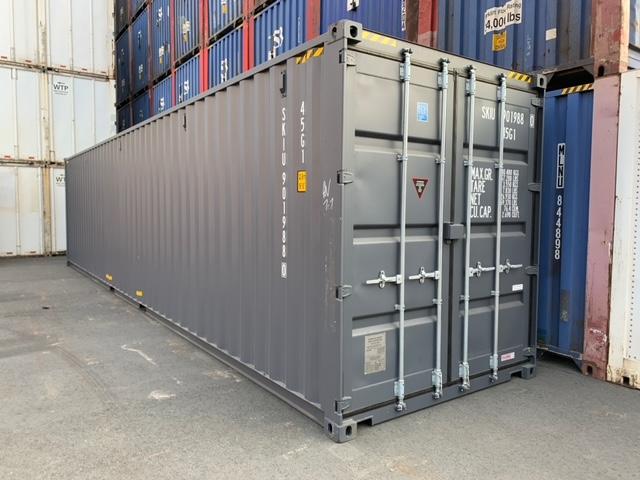
In the world of logistics, shipping, and freight management, containers have revolutionized the way goods are transported across the globe. Among the various container sizes available, the 40 feet container size stands out as one of the most popular and versatile options for international shipping, freight forwarding, and storage solutions.
Whether you’re a business owner looking to ship large quantities of goods, a freight forwarder, or an individual planning a move, understanding the specifications, advantages, and applications of the 40 feet container size is essential. This comprehensive guide aims to cover everything you need to know about 40 feet containers, including their dimensions, types, uses, benefits, and frequently asked questions.
1. What is a 40 Feet Container?
A 40 feet container is a standardized intermodal shipping container used extensively in global freight transportation. Its primary purpose is to securely transport large quantities of cargo across seas, roads, and railways. Known for its durability and capacity, the 40 feet container is a mainstay in the shipping industry.
This container size is part of the ISO (International Organization for Standardization) standards, ensuring compatibility and uniformity worldwide. It is a preferred choice for businesses requiring high-volume shipping due to its optimal balance between size and transport efficiency.
Why Is the 40 Feet Container So Popular?
- Large Capacity: Perfect for heavy or bulky goods.
- Cost-Effective: Economies of scale when shipping large volumes.
- Versatility: Suitable for various industries, goods, and transport modes.
- Standardization: Easy to handle, stack, and transport globally.
2. Dimensions and Specifications of a 40 Feet Container
Understanding the precise dimensions of a 40 feet container is crucial for planning logistics, loading, and storage.
Standard External Dimensions
| Parameter | Measurement |
|---|---|
| Length | 39.5 feet (12.03 meters) |
| Width | 8.0 feet (2.44 meters) |
| Height | 8.5 feet (2.59 meters) (standard) |
| Door Width | 7.7 feet (2.34 meters) |
| Door Height | 7.5 feet (2.28 meters) |
| Tare Weight | Approx. 8,000 lbs (3,629 kg) |
| Max Gross Weight | 67,200 lbs (30,480 kg) |
| Payload Capacity | About 58,000 lbs (26,300 kg) |
Interior Dimensions
| Parameter | Measurement |
|---|---|
| Interior Length | 39.4 feet (12.03 meters) |
| Interior Width | 7.8 feet (2.39 meters) |
| Interior Height | 7.9 feet (2.39 meters) |
| Interior Volume | Approximately 2,390 cubic feet (67.7 cubic meters) |
Additional Specifications
- Material: Usually made from corrosion-resistant steel.
- Flooring: Marine-grade plywood or steel.
- Door Configuration: Double doors with locking bars for security.
- Stacking Capability: Designed for stacking up to 9-10 units high.
Visual Diagram
(Include an illustrative diagram showing external and internal dimensions for better understanding.)
3. Types of 40 Feet Containers
Not all 40 feet containers are identical; they come in various types tailored for specific needs.
3.1 Standard Container (Dry Van)
- The most common type.
- Suitable for general cargo, palletized goods, and non-perishable items.
- Fully enclosed with a secure lockable door.
3.2 High Cube Container
- Height: 9.6 feet (2.89 meters).
- Offers extra vertical space (~1 foot more than standard).
- Ideal for bulkier or taller goods.
3.3 Refrigerated (Reefer) Container
- Equipped with a refrigeration unit.
- Used for perishable goods like food, pharmaceuticals, and temperature-sensitive items.
- Maintains a controlled environment.
3.4 Open-Top Container
- No fixed roof; covered with a tarpaulin.
- Suitable for oversized cargo that cannot fit through standard doors.
3.5 Flat-Rack Container
- Used for heavy machinery, vehicles, or oversized cargo.
- Has collapsible sides for easy loading.
3.6 Tank Container
- Used for transporting liquids, chemicals, or gases.
- Features a cylindrical tank inside the container frame.
4. Key Features and Benefits
4.1 Durability and Security
- Made with high-grade steel, ensuring resistance to harsh weather and rough handling.
- Equipped with locking mechanisms for security against theft.
4.2 Cost Efficiency
- Large capacity reduces shipping costs per unit.
- Suitable for bulk shipments, lowering overall logistics expenses.
4.3 Versatility
- Compatible with various transport modes: sea, rail, and road.
- Can be used for storage and temporary warehousing.
4.4 Ease of Handling
- Standard sizes allow for easy stacking, loading, and unloading.
- Compatible with container handling equipment like cranes and forklifts.
4.5 Environmental Benefits
- Reusable and recyclable, contributing to sustainable logistics practices.
- Minimizes packaging waste.
5. Applications of 40 Feet Containers
The 40 feet container size finds extensive use across multiple industries and applications.
5.1 International Shipping and Export
- Ideal for exporting bulk goods such as textiles, electronics, machinery, and consumer products.
- Widely used in global trade routes connecting Asia, Europe, North America, and beyond.
5.2 Domestic Freight
- Suitable for large-scale domestic transportation, especially in countries with extensive rail networks.
5.3 Containerized Storage Solutions
- Used as temporary or long-term storage units at construction sites, warehouses, and factories.
5.4 Moving and Relocation
- Perfect choice for international moves or large household relocations.
5.5 Specialized Cargo Transport
- Refrigerated containers for perishable goods.
- Open-top and flat-rack containers for oversized or heavy machinery.
6. Comparing 40 Feet Containers to Other Sizes
6.1 20 Feet Container
- Half the size of a 40 feet container.
- Suitable for smaller shipments.
- Lower shipping costs but less capacity.
6.2 45 Feet and 53 Feet Containers
- Extended versions offering more space.
- Used primarily in North America.
6.3 Why Choose a 40 Feet Container?
- Optimal balance between capacity and handling.
- Commonly accepted worldwide.
- Suitable for a wide range of cargo types.
7. How to Choose the Right 40 Feet Container
Selecting the appropriate container depends on several factors:
7.1 Cargo Type and Volume
- Bulk, heavy, or oversized cargo may require specialized containers like open-top or flat-rack.
7.2 Shipping Distance and Mode
- Long-distance sea freight favors high-quality, secure containers.
7.3 Budget Constraints
- Standard dry containers are more cost-effective.
- Consider leasing options if purchasing is not feasible.
7.4 Storage and Handling Requirements
- High cube containers provide extra volume.
- Refrigerated containers are necessary for perishable goods.
7.5 Regulatory Compliance
- Ensure containers meet international standards and local regulations.
8. Cost and Pricing Factors
The cost of a 40 feet container varies based on:
- Type of container (standard, high cube, refrigerated, etc.).
- Age and condition (new vs. used).
- Location and supplier.
- Duration of leasing or ownership.
- Additional services like door-to-door delivery, customs clearance, etc.
Typical purchase price range: $3,000 to $6,000 USD for used containers; new containers may cost more.
9. Shipping and Handling Tips
- Inspection: Check for damages or rust before loading.
- Loading: Distribute weight evenly to prevent tipping.
- Securing Cargo: Use appropriate restraints to avoid movement.
- Documentation: Ensure all shipping documents are accurate.
- Regulations: Comply with international shipping standards.
10. Regulations and Compliance
- Comply with ISO standards for dimensions and safety.
- Adhere to customs regulations in destination countries.
- Use certified containers for hazardous or sensitive cargo.
11. Frequently Asked Questions (FAQs)
Q1: What is the maximum weight a 40 feet container can hold?
A: Typically around 30,480 kg (67,200 lbs) gross weight, with a tare weight of approximately 3,629 kg (8,000 lbs), leaving a payload capacity of about 26,600 kg (58,700 lbs).
Q2: How long does a 40 feet container last?
A: With proper maintenance, a standard container can last 10-15 years or more.
Q3: Can I convert a 40 feet container for residential use?
A: Yes, many use containers for homes, offices, or workshops with modifications.
Q4: Is a 40 feet container suitable for international shipping?
A: Absolutely. It is one of the most widely used container sizes for international trade.
Q5: How do I determine if a used container is in good condition?
A: Check for rust, structural damages, door functionality, and inspect the floor and walls thoroughly.
High Cube Vs Standard Container
12. Feedback and Expert Insights
Expert Tip: Always work with reputable container suppliers and shipping companies to ensure quality and compliance. Regular inspections and maintenance extend the lifespan of your container, making your logistics operations more efficient.
Feedback Prompt: Have you used a 40 feet container? Share your experiences and tips in the comments below!
13. Conclusion
The 40 feet container size remains the backbone of global logistics, offering unmatched capacity, versatility, and cost-efficiency. Whether you are shipping goods internationally, storing equipment, or relocating, understanding the specifications, types, and best practices associated with 40 feet containers is crucial to optimizing your supply chain.
By choosing the right type of container and adhering to best practices, businesses and individuals alike can enjoy seamless, secure, and cost-effective transportation solutions.
Ready to Get Started?
If you’re considering purchasing or leasing a 40 feet container, contact trusted suppliers like Equip Intermodal for quality containers and expert guidance. Visit Intermodal Equipment’s 40ft Containers page for more information.
Optimize your logistics today with the right 40 feet container!


Comments
Post a Comment